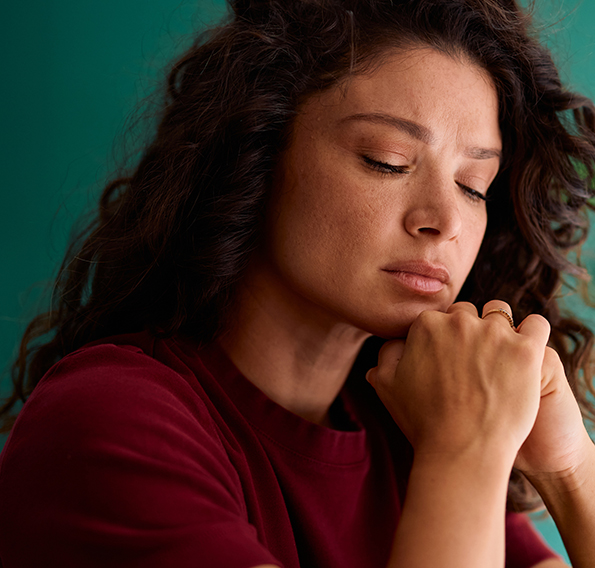



What is Depression?
Everyone feels sad sometimes, but depression is more than just feeling low. It is prolonged sadness or loss of pleasure in life coupled with physical symptoms, including disruptions in sleep and eating. Depression is common, affecting millions of people, and women more than men.
Do I Have Depression?
Taking self-assessments like the Patient Health Questionnaire-8 (PHQ-8) for depression and the Generalized Anxiety Disorder-7 (GAD-7) for generalized anxiety can help you understand yourself better.
They can also help you:
- Quickly check for common symptoms of anxiety and depression
- Notice patterns and how they relate to your feelings
- Be a starting point for talking with a doctor or therapist
These assessments are being used worldwide in routine clinical practice, every day to help women understand their mental health.
Remember self-assessments are not a definitive diagnosis; for that, please speak with a health professional.
Finding Your Way Through Depression
Start With Small Steps
You know yourself best. Think about what kinds of changes you can make to your lifestyle to build daily habits that support your mental and physical well-being. Start with a small change. You may be surprised at how strong you are.
Explore Treatments
It can be hard to reach out and ask for help, but taking that first step is one step closer to healing. Depressive disorders are treatable, and professional care helps most people with a depressive disorder. Learn about treatment options, and reach out for support.
Be Inspired
Hearing from others who have similar experiences can help you feel connected, recognize symptoms, and start to heal. Many people don’t just live with depression; they learn how to thrive despite it. Find inspiration in stories from other women who have learned to manage their depression. You can thrive, too.