

What is Depression?

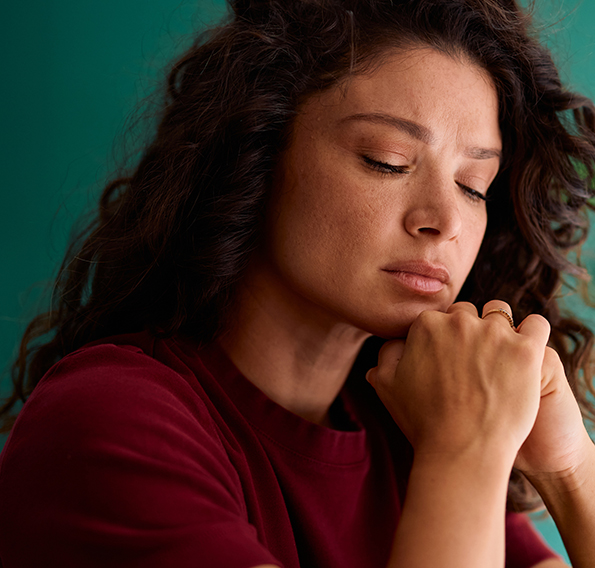
Everyone feels sad sometimes, but depression is more than just feeling low. It is prolonged sadness or loss of pleasure in life coupled with physical symptoms, including disruptions in sleep and eating. Depression is common, affecting millions of people, and women more than men.

What Causes Depression?

Depression is due to a combination of genetic, biological, environmental, and psychological factors. Some types of depression tend to run in families. Trauma, losing someone you love, or any stressful situation may also lead to depression. Sometimes you might not know what caused you to feel depressed. Depression may occur in people without any family history.

Types Of Depression

There are different types of depression. Understanding your type of depression is an important first step.

When you have at least 5 symptoms like persistent sadness, loss of interest, feelings of guilt or worthlessness, fatigue, changes in sleep or appetite, and thoughts of death or suicide, lasting for 2 weeks or longer.
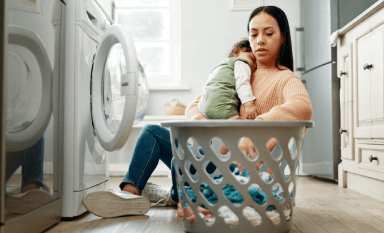
If you had a baby and feel especially sad or empty. Signs include hopelessness, crying spells, and thoughts of suicide or hurting the baby. If it lasts for 2 weeks or longer, it’s important to get treatment right away.
If you experience the symptoms of a major depressive disorder but only during certain times of the year like when the days are shorter and there’s less sunlight.
If you have a low, dark, or sad mood nearly all day, every day, for at least 2 years.
If you have premenstrual syndrome (PMS) that seems severe - you’re sad, hopeless, anxious, tense, extremely moody, irritable, or angry.
If you feel distressed because of a change like losing a job, divorce — even happy events like having a baby or getting married.
Moods that go through a big range of highs to lows that last days or weeks are a sign of bipolar disorder or manic-depressive illness.

Many people with a depressive disorder also suffer from anxiety or other related disorders, including obsessive-compulsive disorder, trauma-and stressor-related disorders (such as posttraumatic stress disorder), and bipolar disorder. 

When more than one disorder is present, it can exacerbate your symptoms and make recovery more difficult. It is important to treat these co-occurring conditions to ensure the best possible outcome.

Learn about related disorders →

Finding Your Way Through Depression

Start With Small Steps

You know yourself best. Think about what kinds of changes you can make to your lifestyle to build daily habits that support your mental and physical well-being. Start with a small change. You may be surprised at how strong you are.

Tips & Strategies

Explore Treatments

It can be hard to reach out and ask for help, but taking that first step is one step closer to healing. Depressive disorders are treatable, and professional care helps most people with a depressive disorder. Learn about treatment options, and reach out for support.

Treatment Options

Be Inspired

Hearing from others who have similar experiences can help you feel connected, recognize symptoms, and start to heal. Many people don’t just live with depression; they learn how to thrive despite it. Find inspiration in stories from other women who have learned to manage their depression. You can thrive, too.

Personal Stories
;

Learn More About Mental Health

These short videos help explain complex mental health topics in a simple, easy-to-understand way. Scroll through to find a variety of content related to disorders and treatments.
Short Video

What is Depression?

1 Minute
Short Video

What is Major Depressive Disorder?

1.5 minutes
Short Video

What is Postpartum Depression?

2 Minutes
Short Video

What is Suicide?

1.5 Minutes

Stories From Women With Depression

Many women struggle with depression. Instead of feeling ashamed, listen to their stories and be inspired.

“I Started To Feel Like I Was In A Hole By Myself”

After years of struggling with anxiety and depression, Claire felt isolated and hopeless. With the support of a new therapist and the courage to seek help, Claire rediscovered her passion and her strength as an athlete. Claire reminds us that breaking the stigma around mental health can help us heal.
Read Claire’s Story →

“Your ‘Strong’ Friends Need Checking In On Too”

Read Tiara’s Story →

“There Is Someone Out There Who Wants To Help”

Read Loretta’s Story →