Related Disorders

In addition to anxiety and depressive disorders, many women face other mental health challenges as well. This includes other mood and anxiety disorders, including bipolar disorder, obsessive compulsive disorder, posttraumatic stress disorder, and illness anxiety disorder.

Having more than one disorder can feel confusing and make it harder to heal. Healing however is possible. Learning about these disorders is the first step.

If you're struggling with anxiety or depression, you may also be dealing with other health issues, such as a related disorder.

You’re Not Alone

And you’re definitely not broken. Disorders like obsessive-compulsive disorder, trauma and stressor-related disorders (such as posttraumatic stress disorder), and bipolar disorder, affect millions of women, often along with anxiety and depression.

Obsessive Compulsive Disorder

OCD is when you have recurrent intrusive thoughts or images (obsessions) and repetitive behaviors or mental acts (compulsions) you can’t stop and do to feel better.

Women can experience OCD during periods of hormonal change, like pregnancy or after giving birth.

Learn More about OCD

Posttraumatic Stress Disorder (PTSD)

PTSD happens when, after exposure to trauma, you have intrusive thoughts and nightmares, negative changes to your thoughts and mood, hyperarousal, and avoidance of triggers that affect your daily life.

Women are twice as likely to develop PTSD as men.

Learn More about PTSD

Bipolar Disorder

Bipolar disorder causes big changes in mood and energy mood and energy levels: from high to low. It is a dramatic see-saw of feelings that makes it hard to do everyday things. Women are just as likely as men to have bipolar disorder, but women may have more episodes of it.

Women with bipolar disorder are also at a significantly higher risk of experiencing a severe mood episode during the postpartum period.

Learn More about Bipolar Disorder

Support Is Available

*Call, text, and chat are available across all 50 states, D.C., and U.S. territories.

Crisis Support: When You Need Help Right Now

Call, text, and chat are available across all 50 states, D.C., and U.S. territories.


If you’re having thoughts of suicide, experiencing a mental health crisis, or struggling with substance use, get connected immediately with trained crisis counselors (available 24/7):


Call or Text: 988

Chat: 988lifeline.org/chat


Directory:

Veterans: Dial 988 and press 1

Spanish speakers: Dial 988 and press 2 (or 1-888-628-9454)

Deaf/Hard of hearing: Use relay service + dial 711 then 988, or call 1-800-799-4889

Crisis Text Line (Available 24/7)


If you can’t safely make a phone call, text “HOME” to 741741

National Domestic Violence Hotline (Available 24/7)


If you’re experiencing domestic violence or in an unhealthy relationship:

Call: 1-800-799-SAFE (7233)

Text: START to 88788

Chat: thehotline.org

National Sexual Assault Hotline (RAINN) (Available 24/7)


If you’ve experienced sexual assault and need support:

Call: 1-800-656-HOPE (4673)

Chat: hotline.rainn.org/online

SAMHSA’s National Helpline


To find mental health or substance abuse treatment in your area, or get information about disorders and treatment options.


Call: 1-800-662-HELP (4357)

Text: Your ZIP code to 435748 (HELP4U)

Psychology Today Therapist Directory


To search for therapists in your area by specialty, insurance accepted, and treatment approach:


Website: psychologytoday.com/us

If you’re experiencing emotional changes during pregnancy or after childbirth:


Postpartum Support International (PSI)


Call: 1-800-944-4773 (#1 English, #2 Español)

Para apoyo en Español: Marque 988 y presione 2 (o llame 1-888-628-9454)

Text: “Help” to 800-944-4773 (English) or 971-203-7773 (Español)

For information about women’s health issues, including mental health conditions and postpartum depression:


Office on Women’s Health (OWH) Helpline


Call: 1-800-994-9662

Available: 9 AM – 6 PM ET, Monday-Friday

You Get to Write Your Next Chapter

If you think you have anxiety, depression, obsessive-compulsive disorder, trauma-and stressor-related disorders (such as posttraumatic stress disorder), bipolar disorder, or another related disorder, it’s time to get help.

Use resources like our Find Your Therapist tool to connect with a mental health professional in your area. Getting help early can make a huge difference in your journey to feeling better. And you deserve it.

;

Learn More About Mental Health

These short videos help explain complex mental health topics in a simple, easy to understand way. Scroll through to find a variety of content related to disorders and treatments.
Video Short

What is OCD?

1 Minute
Video Short

What is PTSD?

2 Minutes
Video Short

What is Bipolar Disorder?

1 Minute
Video Short

What is ADHD?

1 Minute
Video Short

What is Perimenopause?

3 Minutes
Video Short

What is Menopause?

1 Minute

Personal Stories on Anxiety, Depression, PTSD, OCD, Bipolar, and Other Related Disorders.

Learn about other women who have dealt with anxiety or depression and another disorder. Let their stories help you on your journey.

“My OCD Tells Me I’m A Bad Mom”

Natalia shares her powerful journey of how intrusive thoughts about harming her children led her to become overly permissive in her parenting. She reminds us that we can break generational cycles by understanding and facing our fears.
Read Natalia’s Story →
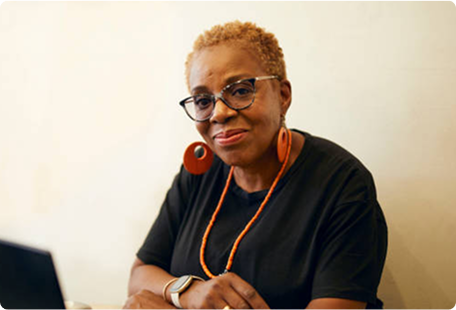
“Rage Is A Nightmare”

Read Dominique’s Story →

“I Was Able To Break The Cycle Of Generational Trauma”

Read Shigeko’s Story →

How To Find The Right Therapy For You

Learn about the types of mental health professionals, what to expect from therapy, and how to choose a provider that is right for you.
Explore My Options